.jpg)
The hidden friction in most AI initiatives isn’t actually the technology itself. Instead, it is the accumulated weight of the systems beneath it. For many leaders, older software foundations act as a digital anchor, creating a compounding liability that saps the ability to compete and grow. While a degree of technical compromise is inevitable to maintain speed, the stakes have changed. In a landscape where AI is poised to penetrate every business function, lingering infrastructure debt is no longer just an IT problem because it has become a barrier to enterprise-wide automation.
Research by McKinsey indicates that a significant majority of CIOs see their technical debt increasing. Many are forced to spend over 20% of their project budgets simply managing existing complexity, which creates a cycle where maintenance costs eat the budget originally intended for innovation (McKinsey, 2025). To break this, leaders must pivot from viewing modernization as a cleanup task to seeing it as the deliberate creation of adaptability.
Here is the strategic enterprise AI infrastructure checklist for transforming legacy foundations into high-velocity engines for growth.

1. Identify and Mobilize "Dark Data"
The primary differentiator between companies that scale AI and those that remain stuck in the pilot phase is data accessibility. High-performing organizations treat their infrastructure and data as a single and fluid unit.
The first step in any legacy system modernization with AI is a thorough audit of what experts call "Dark Data," which is information that is collected and stored but remains functionally invisible to modern tools. Gartner suggests that poor data categorization can increase AI implementation costs by up to 40% (Gartner, 2025). You must progress from static storage to a framework where data is live and accessible. If your mission-critical information is trapped in an isolated mainframe, your AI models will remain disconnected from the true state of your business.
2. Transitioning from Rigid Monoliths to Modular Flexibility
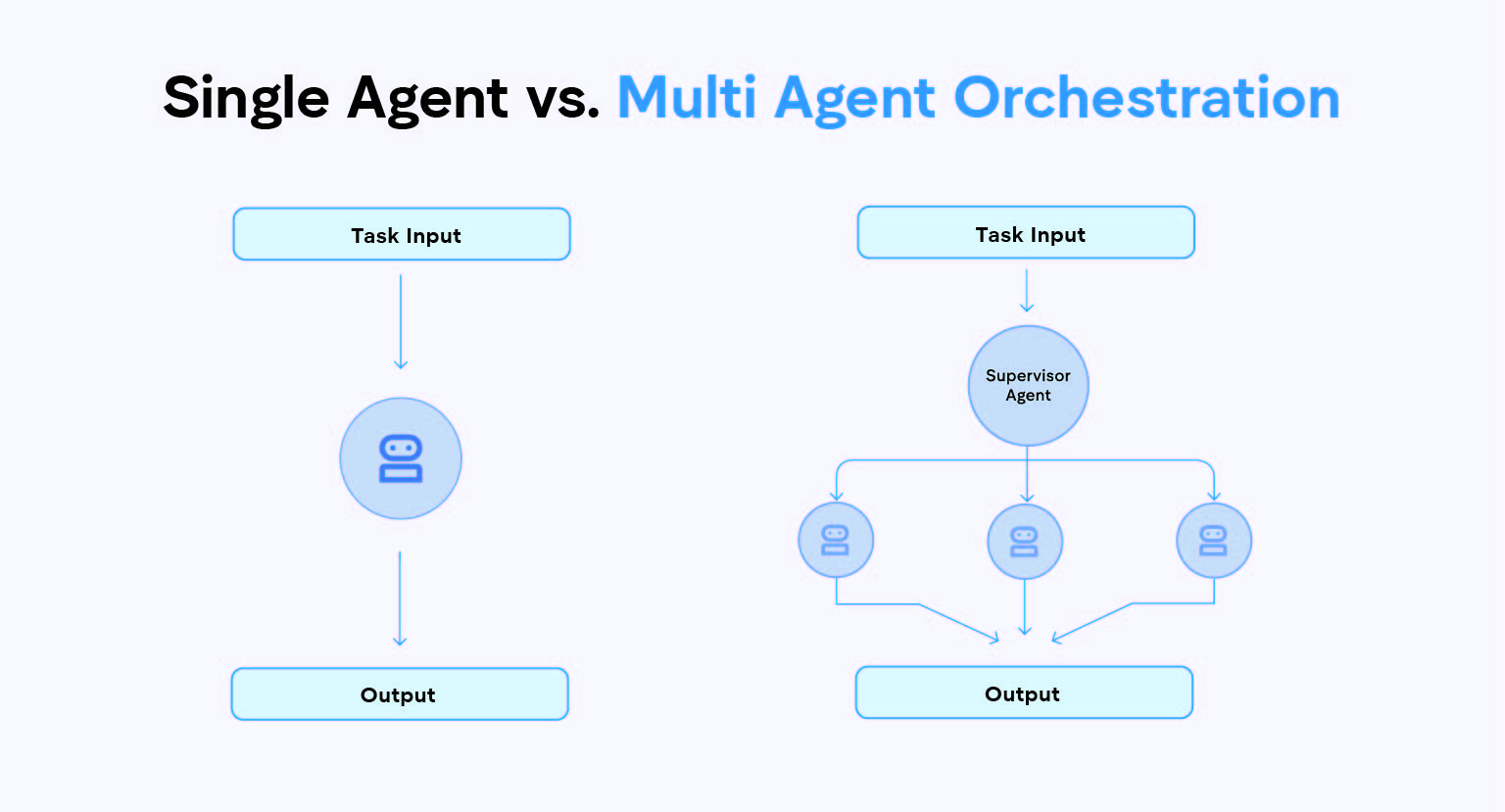
Traditional software is often a "monolith," which is a structure where every component is tightly coupled. This architecture is inherently risky for AI integration because every time you want to add a new capability, the risk of breaking the core system increases. This creates a capped return on your technology investment.
By prioritizing the modernizing of monolithic applications, you adopt a modular architecture that ensures long-term agility. Breaking the system into micro services creates a range of future options. If a better AI model or a more efficient workflow emerges, you only have to update one specific part of the system. As highlighted in research from MIT Sloan, this modularity is the only way to ensure that today’s quick fixes don't become tomorrow's permanent bottlenecks (MIT Sloan, 2025).
3. The API Nervous System: Building Action-Oriented Connections
AI agents require more than just a data feed. They need a way to execute tasks across the enterprise. A robust and action-oriented API strategy is the prerequisite for cloud migration for AI agents.
This layer allows your new intelligent tools to interact with your existing databases as if they were modern cloud services. This API-first modernization prevents a compounding debt scenario where you use AI to generate even more code on top of fragile systems. Instead, you create a clean interface that allows for rapid and secure automation without rewriting your entire history at once.
4. Hybrid Cloud and the "Adaptability Dividend"
Moving everything to the public cloud is rarely the most efficient path to value. For many enterprises, a hybrid cloud architecture offers a more resilient way forward. It allows you to keep sensitive "crown jewel" data on private and secure servers while utilizing the massive processing power of public clouds to run and train your Large Language Models(LLMs).
This balanced approach ensures your infrastructure is scalable and compliant with shifting global regulations. Strategic design decisions made now effectively create a dividend of adaptability later, allowing you to pivot your tech stack at a much lower cost than your competitors. For more on how this impacts your team’s internal structure, see our previous work on AI Adoption and Workforce Strategy.
5. Managing System Decay with Automated Governance
In complex software environments, quality naturally degrades when changes go unnoticed. Modernizing your stack must include the implementation of MLOps, or Machine Learning Operations, which is a continuous governance layer that monitors the health of your AI models and the data they use.
By framing the conversation around "AI Preparedness," you secure the resources needed for the data management, security, and API integration that the enterprise requires. This allows you to build the architectural future you need while delivering immediate business results. For a deeper financial breakdown of this approach, explore our guide: Maximizing ROI: A Strategic Guide to AI Adoption.
6. Funding the Future through Strategic AI Projects
The most successful modernization efforts are rarely funded as standalone cleanup projects. Instead, savvy leaders fund their architectural upgrades through high-value AI initiatives.
By framing the conversation around "AI Preparedness," you secure the resources needed for the data management, security, and API integration that the enterprise requires. This allows you to build the architectural future you need while delivering immediate business results. For a deeper financial breakdown of this approach, explore our guide: Maximizing ROI: A Strategic Guide to AI Adoption.

Conclusion: Engineering for Uncertainty
The goal of a modern enterprise is to be structured in a way that allows it to gain from change rather than being fragile to it. Legacy systems are not a permanent burden, but they are the starting point for a more agile future. By following this enterprise AI infrastructure checklist, you evolve beyond merely managing the past and step into a role of seizing the future.
When you prioritize legacy system modernization with AI, you are building an organization that is resilient by design.
At Catalect, we specialize in the engineering required to bridge the gap between legacy reality and AI-driven possibility. We help you dismantle the bottlenecks, secure your data, and build an infrastructure that doesn't just work, but also evolves.
The window for modernization is shrinking as technology accelerates. Partner with us today and let’s turn your infrastructure into your greatest competitive advantage.